Is a heritage‑focused Chinese Teapot brand story effective with Gen Z?
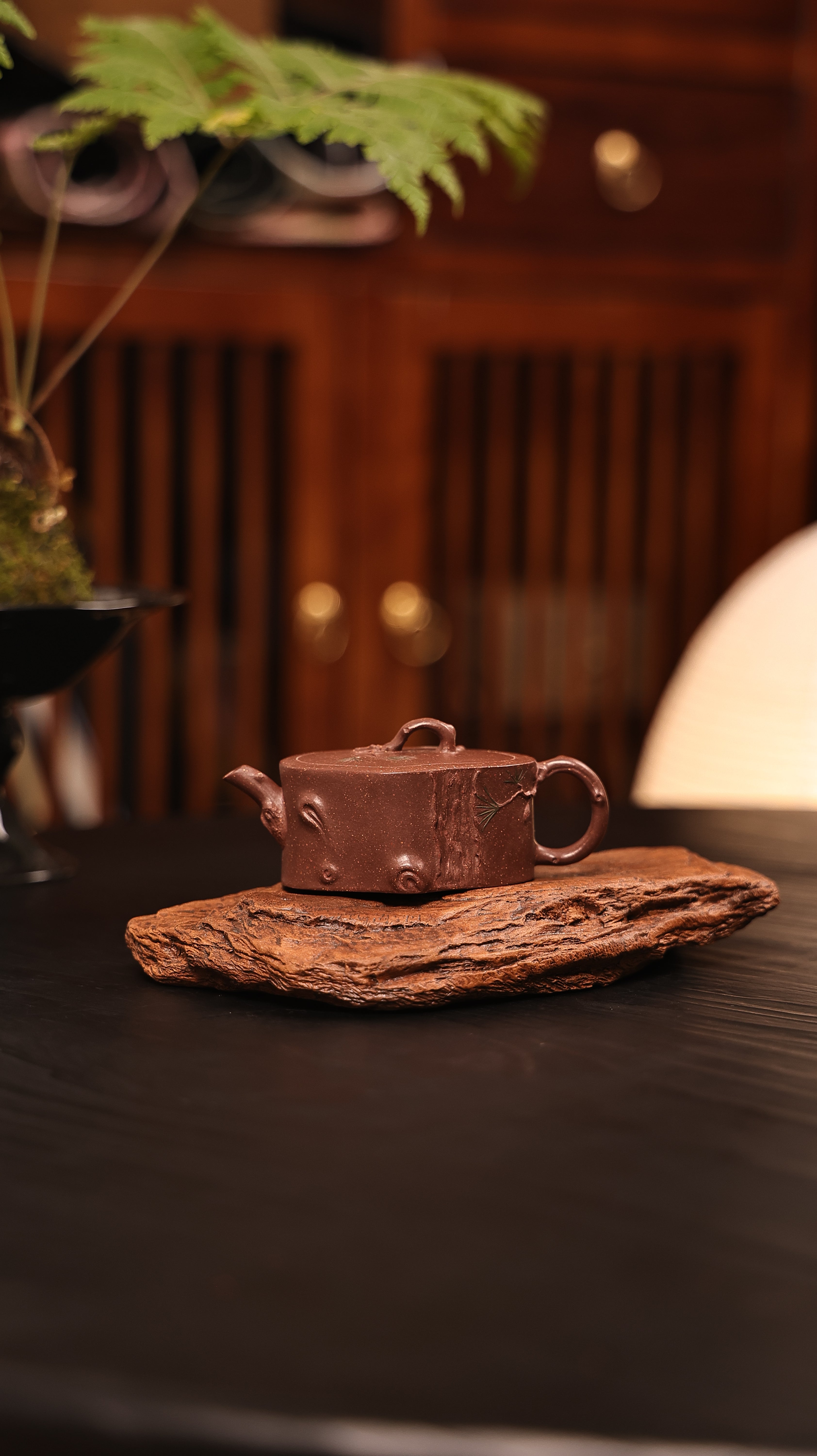
Generations in experts have long favored the unique attraction of Yixing Zisha vessels. Emerging in the cozy town of Yixing, the state, these containers are formed from a peculiar and extracted purple clay renowned for its outstanding thermal properties and facility to amplify the savor of liquids. More than their useful merit, Zisha teapots symbolize a time-honored customary background, causing them extremely treasured and a veritable masterpiece for any passionate teapot lover.
Surveying Yixing Containers
Traditional teapots represent a remarkable unification of history and traditional craftsmanship. Coming in Yixing, Jiangsu Sector of China, their narrative begins from the Ming Dynasty, although documentation suggest earlier forms. The exceptional auburn clay, called Zisha, found solely in the Yixing region, is the principal component, contributing to the pots' outstanding heat maintenance and the manner they enhance the essence of tea. Generations of potters have improved techniques—often inherited through families—including designing the clay, applying ornate embellishments, and firing the pots at precise temperatures.- At first, Yixing teapots were often decorated with simple designs.
- In due course, more elaborate carvings and graphic motifs became favored.
- The baking itself is a fundamental element, requiring long durations of mastery.
Curating Zisha Teapots: Crucial Checkpoints
Initiating a campaign to gather Zisha pitchers can be fulfilling, but it’s required to understand what to seek. Authenticity is principal; focus on the substance’s natural pigment, a soft reddish-brown is traditional. Examine the feel; genuine Zisha has a special tactile sensation, often noted as slightly textured. The outline should be pleasing and consistent with time-honored styles, while seals, if present, require careful examination for legitimacy. Don’t avoid to consult with experienced dealers or reliable databases – their knowledge is indispensable.
The Vessels: Exploring the Practice of the Yixing Pottery
Years have seen Yixing Purple Earth teapots maintain a important role in Chinese arts. These artfully designed pots, sourced Zisha Teapot only from the province of Yixing, are acclaimed for their identifiable shade, quality, and their ability to enhance the flavor of liquids. Scores of collectors desire antique Yixing teapots, estimating them immensely not only for their aesthetic attractiveness, but also for the records they express.
Yixing Zisha Teapots: This Premier Categories and Their Traits
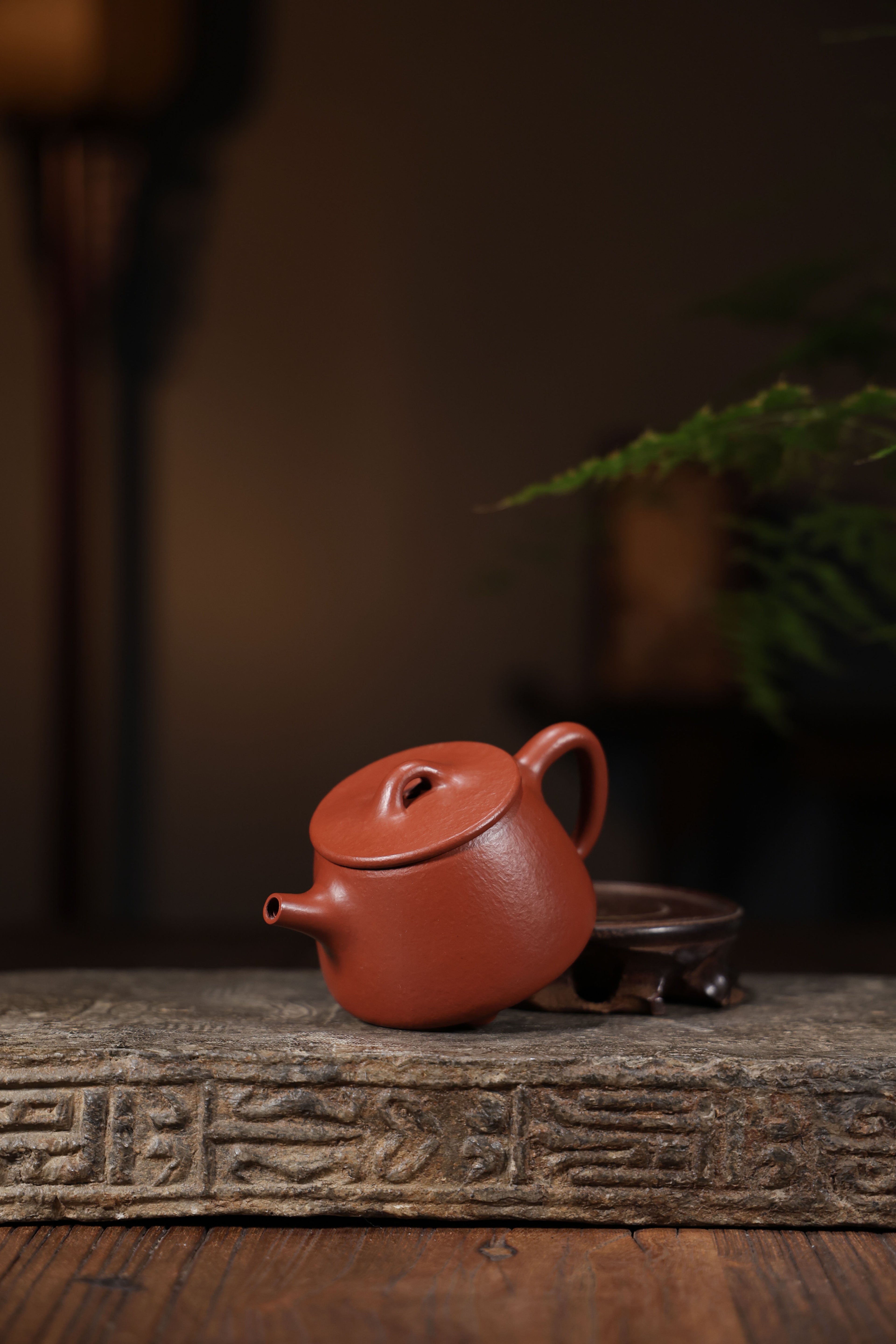
Purple Earthenware teapots, rooted in the genuine zone of Yixing, the state, are acclaimed for their exclusive clay and high-quality brewing aptitudes. Throughout the numerous Zisha types, specific categories that are highly prized include Binzhou Purple Sand. Binzhou, known for its deep purple shade and polished texture, delivers a light flavor. Duan Ni species, recognizable by its auburn color and mildly grainy feel, is considered to enhance tea’s body. Lastly, Zhuni class boasts an exceptional carmine tone and can provide a pleasant nuance. Each variety supplies a alternative experience, allowing them very desirable to potion enthusiasts.
Conquering One’s Purple Clay Cup
To realize the essence of your Yixing teapot, familiarizing oneself with the correct system is vital. These clay pots, celebrated for their passability, will steadily take on the quality of the tea you infuse within them. Begin by cleansing the pitcher thoroughly with heated water. Then, use only high-quality fresh leaf tea, as lower quality options can affect the pot’s delicate notes. Always let the leaves to extend completely, and remember that with each steeping, your Yixing teapot will become gradually cherished.
Securing Your Priceless Zisha Treasure
Proper treatment for your Zisha teapot is crucial to maintaining its durability and significance. Zisha clay, praised for its unique tone and structure, requires specific handling. Never use corrosive cleaners, as these can wreck the glaze. After every employing, rinse the kettle with comfortably warm water and allow it to air out completely.
- Shun soaking the teapot for extended intervals.
- At intervals use a soft rag to maintain the exterior.
- Think about applying a thin layer of food-grade fat inside the jar after drying, which can reduce staining.
A Beginner's Guide to Yixing Containers
Yixing pitchers, originating from the Yixing locale in Jiangsu Province, the Chinese territory, are celebrated for their distinctive qualities. Formed from the unique purple element known as Zisha, these urns are prized by drink enthusiasts worldwide. This handbook will neatly explain the fundamentals – covering classes of Zisha dirt, favored shapes, and essential care guidance. Understanding the tradition of Yixing pitchers can enhance your appreciation for this traditional example of Oriental folklore.
Trade of Chinese Clay Pots: Concentrating on Zisha native to Yixing locality
Zisha clay from Yixing City represents the zenith of Mandarin container design, undergoing a exceptional concoction of genuine beauty and functional artistry. These remarkable pieces are recognized for their vibrant hues, often covering rich purples and chestnut hues to light greys and gentle beiges. The unique mineral composition of the indigenous Zisha terrain imparts a distinctive texture and furnishes a enjoyable aroma that increases the whole drink experience, transforming them greatly coveted collectibles and fundamental components of any serious infusion.